

SDDL, led by Professor Hiraku Sakamoto as Principal Investigator (PI), focuses on the four research areas below. Click a topic to jump to its description.
0. In-Orbit Demonstration with Our Own Hands
We carry out space demonstrations to develop new space structural systems. We design and build small satellites and satellite-borne mission equipment ourselves, launch them on rockets, and conduct the experiments in space.

Next-generation CubeSat Concept: OrigamiSat-3 (tentative)
A next-generation 3U CubeSat in the OrigamiSat series, currently undergoing concept study and prototyping based on our previous on-orbit deployment experience.

OrigamiSat-2: Origami Reflectarray Antenna Demonstration Satellite
A 3U CubeSat carrying a deployable reflectarray antenna made of a two-layer woven textile membrane. Launched from New Zealand in April 2026, it successfully demonstrated membrane deployment and 5.8 GHz-band communication in orbit.

HELIOS-R: Fifth-Generation Mobile Communications System (5G) Mission
Launched in December 2025. A Ka-band phased-array transceiver mounted on a flexible space membrane structure successfully demonstrated radio transmission and beam scanning in orbit.
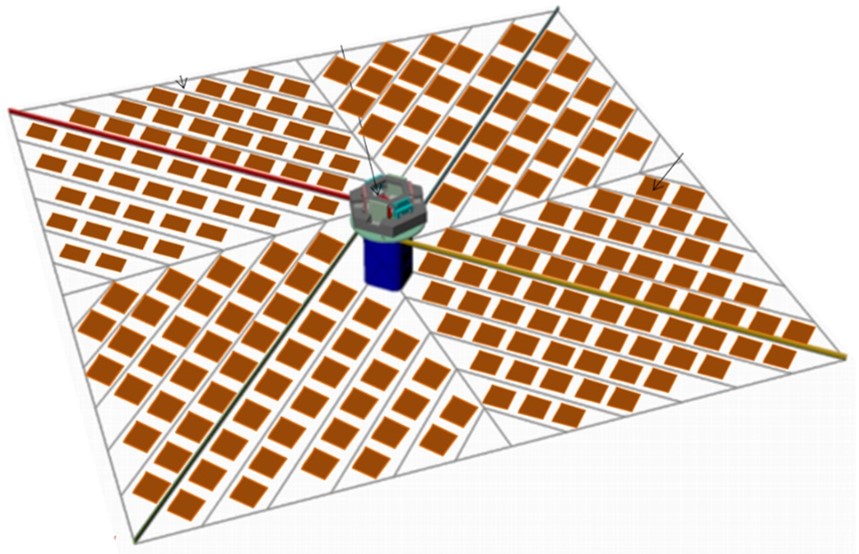
Participation in the IEEE MTT-Sat Challenge

Development of the OrigamiSat-1 3U CubeSat
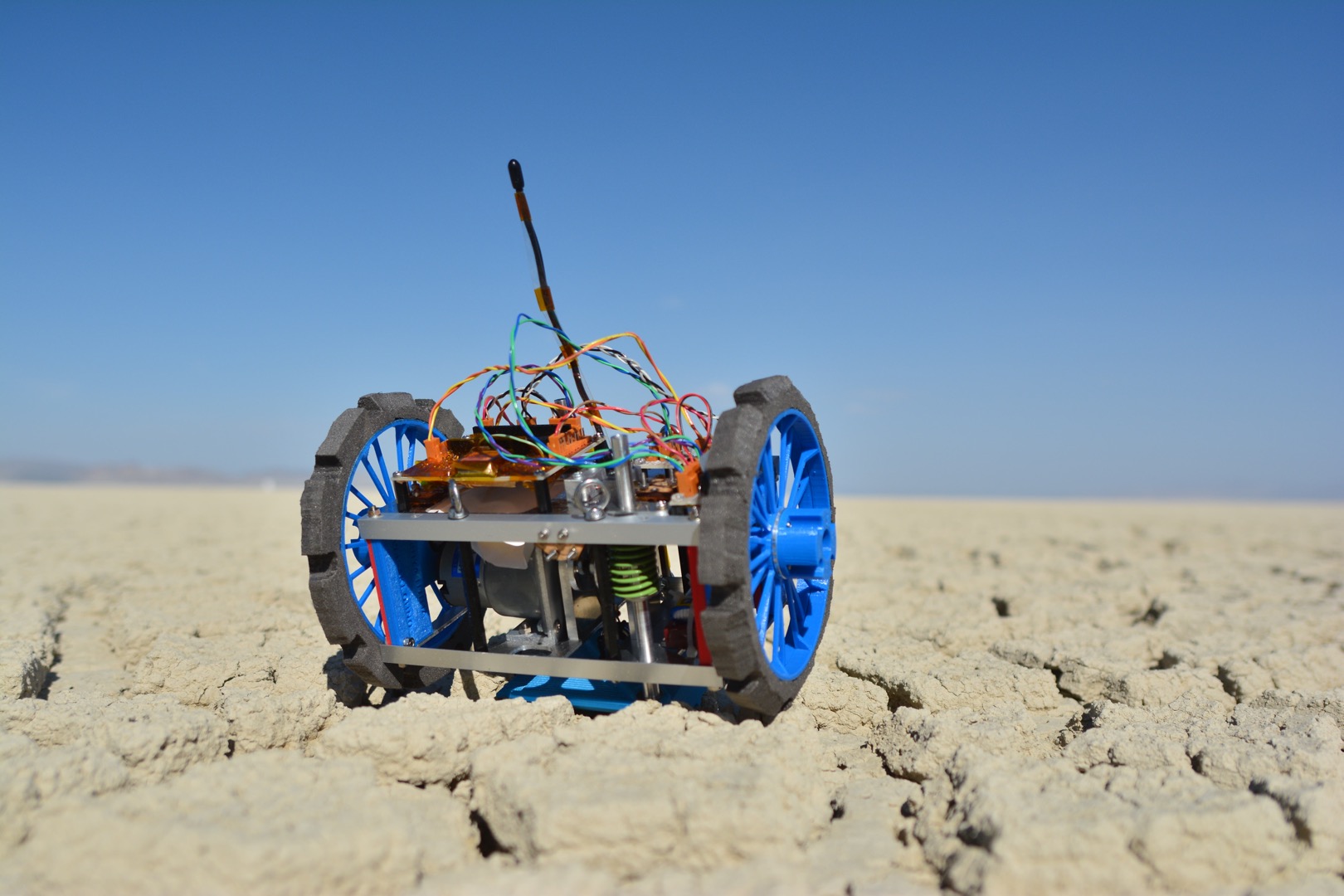
CanSat Project
1. Ultra-Lightweight, Compactly Stowable Space Membrane Structures
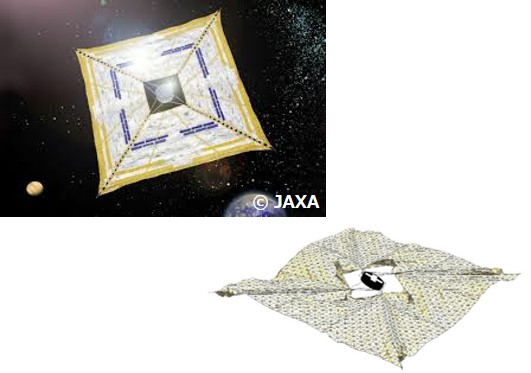
We develop methodologies for realizing deployable space membrane structures, such as the IKAROS solar power sail.
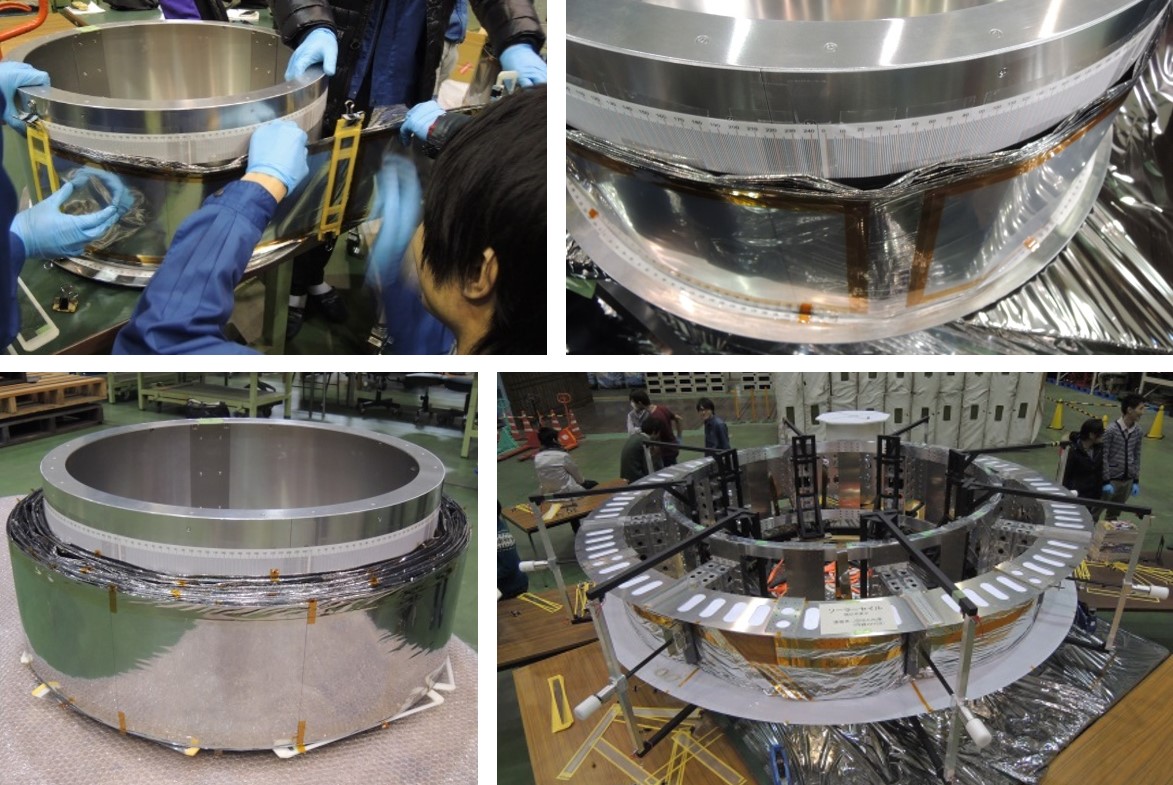
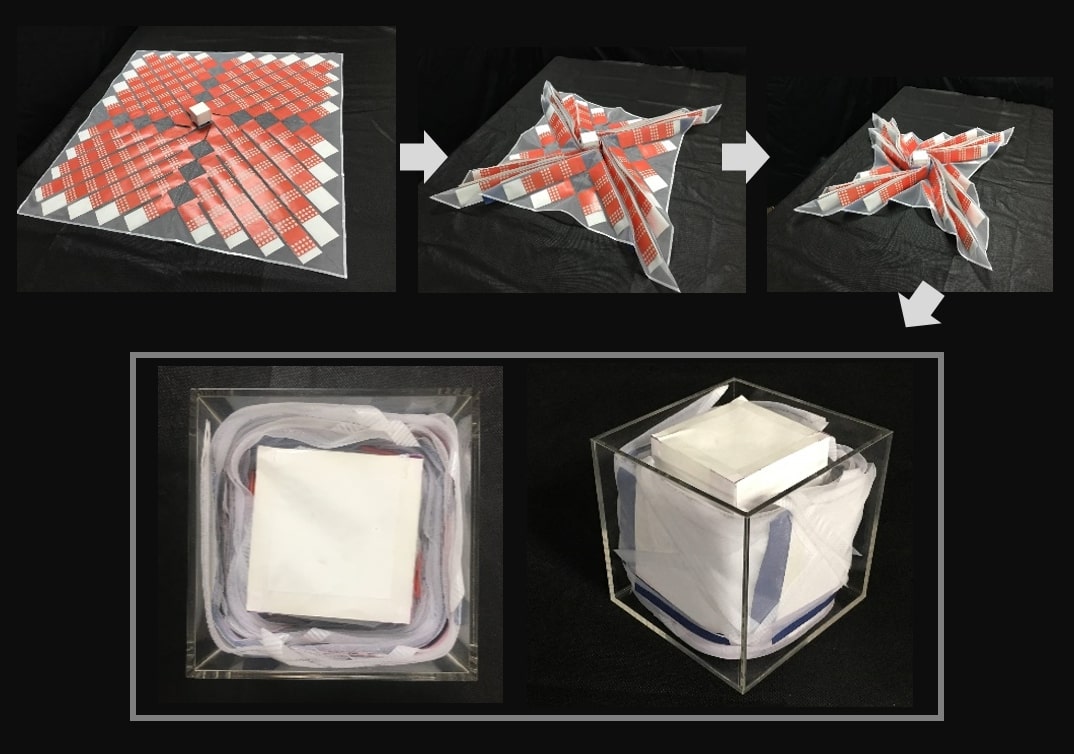
2. Novel Space Antenna Technologies
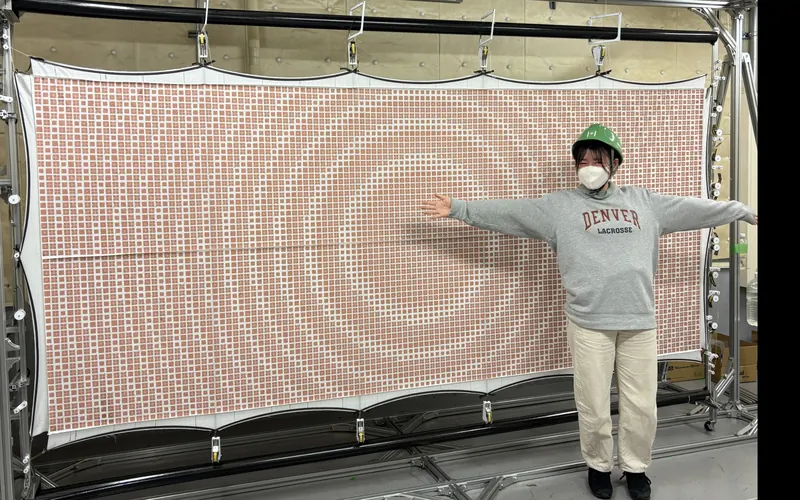
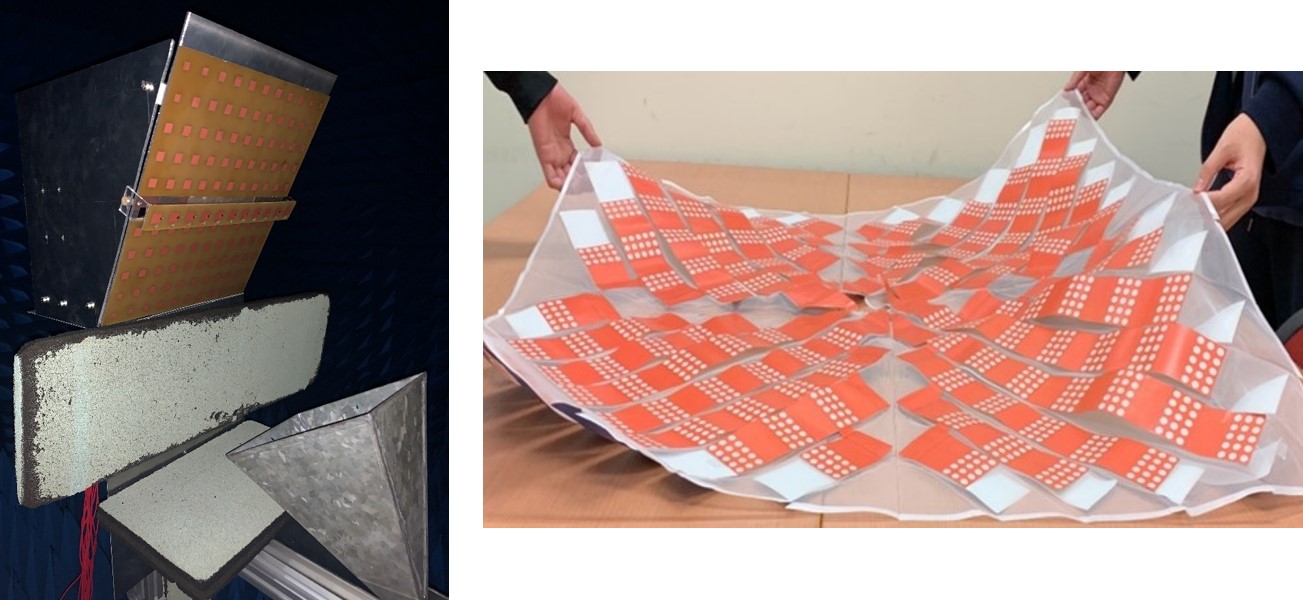
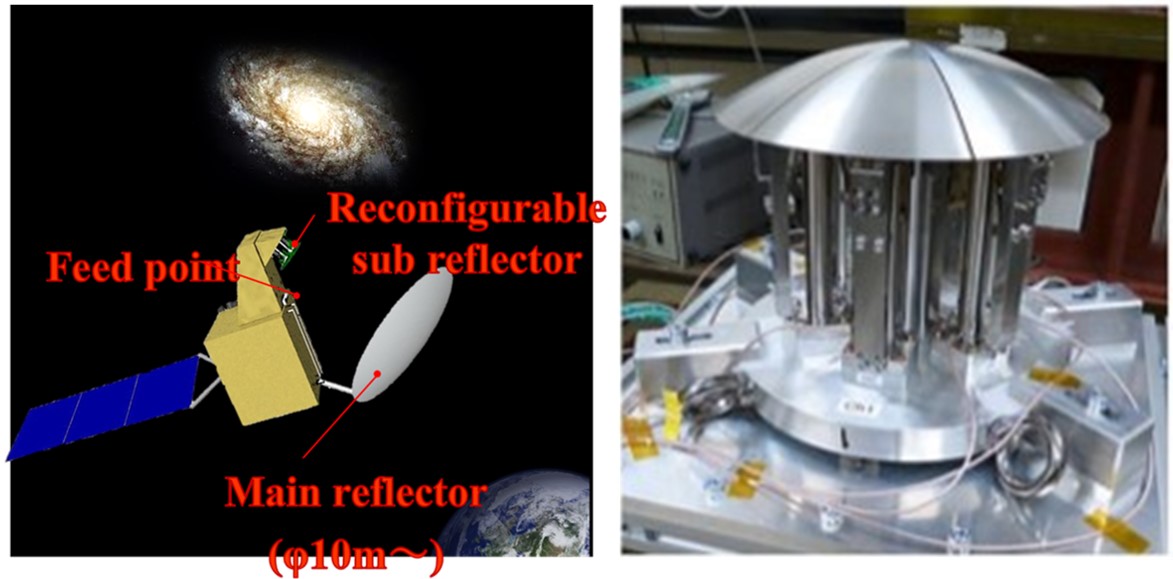
Large space antennas must be folded for launch, making high shape accuracy after deployment challenging. We therefore investigate active reflector shape control as well as electronic phase compensation for array antennas.
3. Modeling for Large-Scale Space Systems
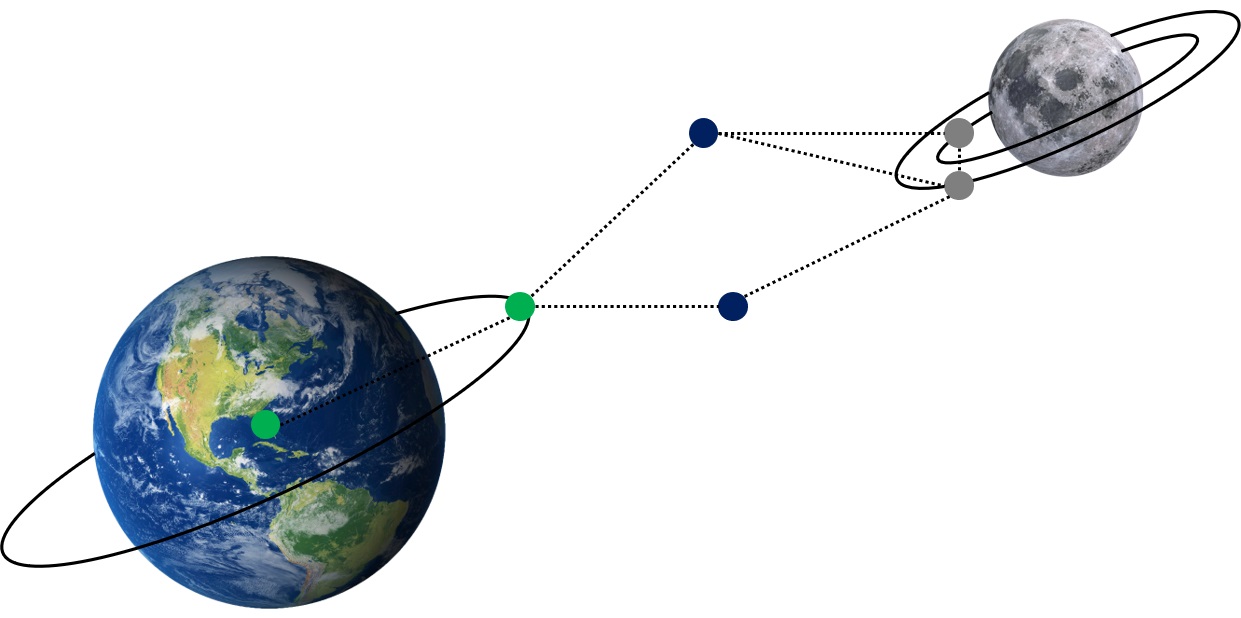
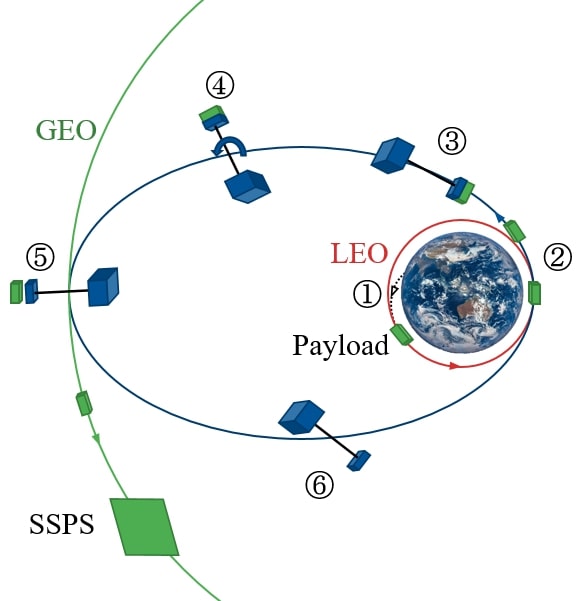
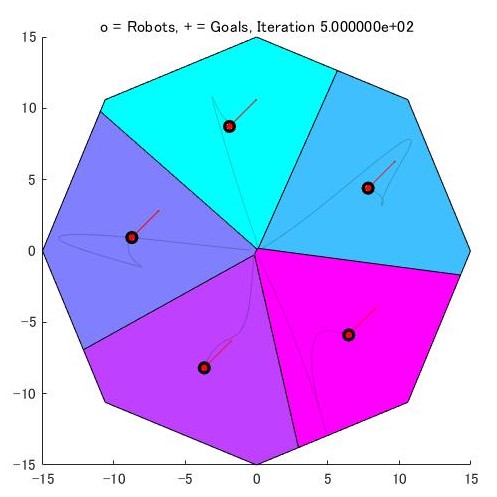
We model the construction processes of large, complex space systems, including solar power satellites, deep-space crewed facilities, and satellite formations.
Advice on Choosing a Laboratory (Prof. Sakamoto)
SDDL is largely managed by its students. Please work together with senior graduate students to build a productive research environment. Faculty members primarily ask for a weekly progress report and observe core hours from 10:00 to 16:00.
Faculty support students who take initiative, identify problems, devise plans, and act independently, providing knowledge, experience, and funding. This can be challenging early on, but SDDL students have led collaborative research with companies and JAXA and presented their work internationally. If this appeals to you, we encourage you to visit our laboratory.
About Research Topics
Fourth-year undergraduates often work on existing research topics, although exceptionally motivated students may propose their own. Graduate students are encouraged to take a different approach, as explained during our admissions information sessions.
We generally ask first-year master’s students to spend their first year identifying a research topic for themselves. Research should be something you own and pursue with a strong sense of responsibility. Before entering graduate school, read papers and books in areas that interest you. Two preparations are particularly important:
(1) Learning how to identify problems and conduct research(2) Motivation for your future career
First, make the most of your undergraduate thesis and learn research through practical experience. If possible, present at a conference, write an English paper, and attend an international conference. Experiencing the complete research process will help you make much greater progress during a master’s program.
Second, reflect on what you hope to gain in life by conducting meaningful research during your master’s degree. Students with even a tentative vision often achieve much more. Talk with many people, learn broadly, and develop a clear understanding of your goals.
During the first year of the master’s program, students engage with various SDDL projects, work alongside senior students, and find where they can make a distinctive contribution. Your strengths might be fabrication, programming, analytical mechanics, mathematics, or another skill that earns the trust and respect of fellow researchers.
Above all, my advice to prospective graduate students is to enjoy your undergraduate thesis research. Good luck! — Hiraku Sakamoto