

CANSAT
CanSat was proposed in 1998 by Professor Robert Twiggs at Stanford University. It originally described a simulated satellite small enough to fit inside a 350 mL beverage can. At ARLISS, held in the Black Rock Desert in Nevada with support from AeroPac, student teams launch CanSats to roughly 4 km altitude. The spacecraft then autonomously navigate toward a designated target, with performance measured by navigation accuracy and elapsed time.
CANSAT 2021 (Japanese article)
CANSAT 2019
CANSAT 2013
CANSAT 2009
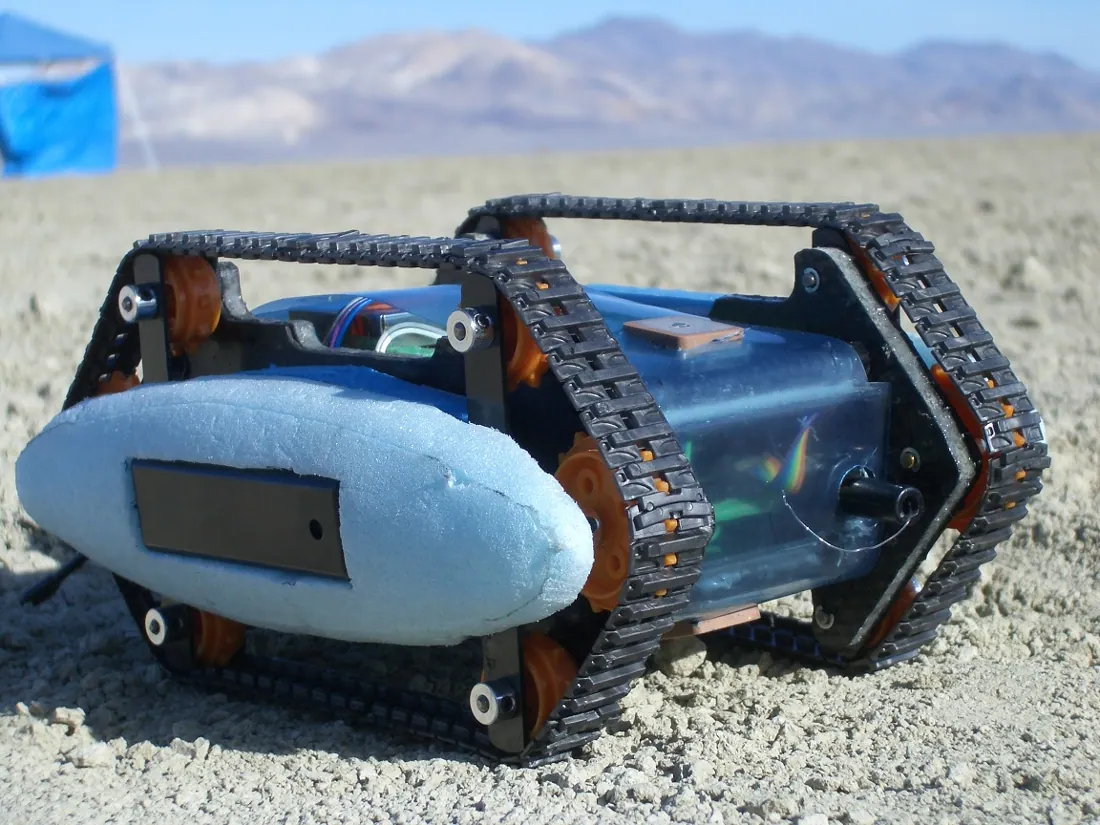
The 2009 CanSat, named Space Crawler, was designed for both Flyback (aerial) and Runback (ground) control. A crawler mechanism improved mobility on rough terrain. After rocket release, it guided itself toward an airborne target. Near the ground, an ultrasonic range sensor initiated paraglider separation and landing. An impact-protection cover was then released, allowing the rover to travel toward a target on the ground.
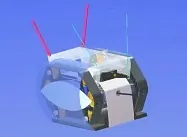
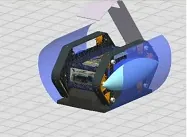
Space Crawler rover
CANSAT 2008
SDDL began participating in ARLISS in 2008. Conventional CanSats generally used either a wheeled rover to navigate after landing or a paraglider to steer during descent. Strong winds could make Flyback control difficult, while Runback vehicles also faced mobility challenges. Our team explored integrating both approaches to improve autonomous return-to-target performance.
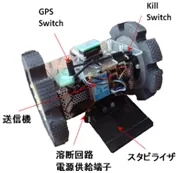
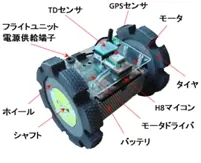
CanSat prototype and experiment photographs
CanSat prototype and experiment photographs